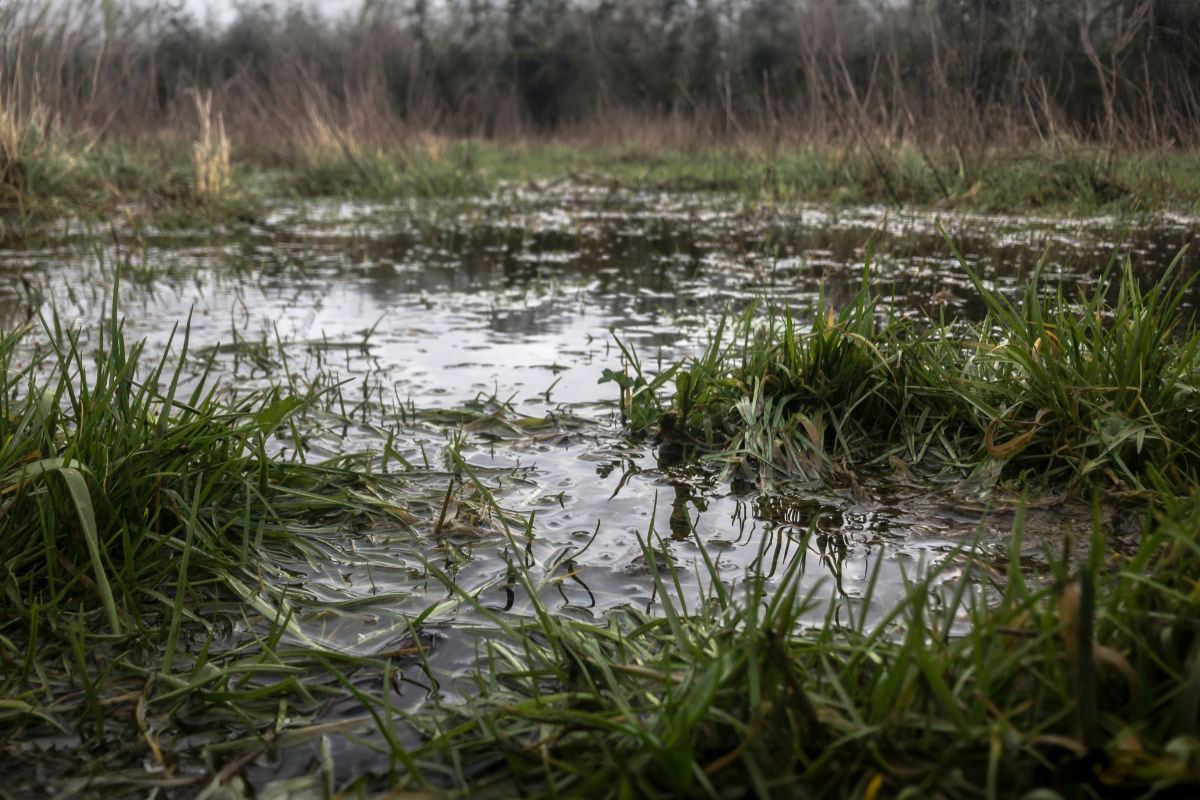
Natural and Sustainable Solutions for Flood Prevention
Flooding is a growing concern in many regions around the world, driven by climate change and urban development. Traditional methods of flood control, such as levees and floodwalls, have been effective but often come with limitations and environmental drawbacks. As we seek more sustainable approaches, natural solutions are gaining prominence. These strategies not only address flood risks but also provide additional environmental and community benefits.
1. Green Infrastructure: Harnessing Nature’s Power
What is Green Infrastructure?
Green infrastructure refers to the integration of natural processes into urban and rural planning to manage water flow and reduce flood risks. This approach uses natural systems and processes to create resilient landscapes that absorb, slow down, and filter rainwater.
Types of Green Infrastructure
Rain Gardens: Shallow, planted depressions designed to capture and absorb stormwater runoff from impervious surfaces like driveways and roofs.
Permeable Pavements: Materials that allow water to pass through, reducing runoff and promoting groundwater recharge.
Green Roofs: Vegetated roof systems that absorb rainwater, reduce heat island effects, and improve building insulation.
2. Ecosystem Restoration: Reviving Natural Flood Defenses
Why Restore Ecosystems?
Ecosystems such as wetlands, forests, and floodplains play a crucial role in managing floodwaters. They naturally absorb and store water, reducing the intensity and frequency of floods. Restoration projects aim to reestablish these ecosystems to enhance their flood-mitigating functions.
Examples of Ecosystem Restoration Projects
Wetland Restoration: Rehabilitating wetlands to restore their ability to capture and store floodwaters while providing habitat for wildlife.
Riparian Buffer Zones: Planting vegetation along riverbanks to stabilize soil, reduce erosion, and filter runoff before it reaches the watercourse.
Reforestation: Planting trees in deforested areas to increase water absorption and reduce surface runoff.
3. Sustainable Urban Planning: Designing Flood-Resilient Communities
The Role of Sustainable Urban Planning
Sustainable urban planning incorporates flood risk management into the design and development of communities. This approach considers natural floodplains, promotes responsible land use, and integrates flood management strategies into building codes and zoning regulations.
Key Strategies for Flood-Resilient Urban Planning
Smart Zoning: Avoiding development in high-risk flood zones and promoting the use of flood-resistant building materials.
Floodplain Management: Designing developments to accommodate natural floodplain functions and avoid altering natural water flow patterns.
Community Engagement: Involving local communities in flood management planning and decision-making to ensure that solutions meet their needs and preferences.
4. Benefits of Natural and Sustainable Solutions
Environmental Benefits
Natural solutions contribute to healthier ecosystems, improved water quality, and enhanced biodiversity. By preserving and restoring natural processes, these strategies promote long-term environmental sustainability.
Social and Economic Benefits
Sustainable solutions often result in cost savings by reducing the need for expensive engineered flood defenses. Additionally, they improve quality of life by creating green spaces, enhancing recreational opportunities, and fostering community resilience.
Conclusion: Embracing Natural Solutions for a Safer Future
As the impacts of climate change continue to challenge traditional flood management practices, natural and sustainable solutions offer promising alternatives. By integrating green infrastructure, restoring ecosystems, and adopting flood-resilient urban planning, communities can better protect themselves from the effects of flooding while promoting environmental stewardship and resilience.
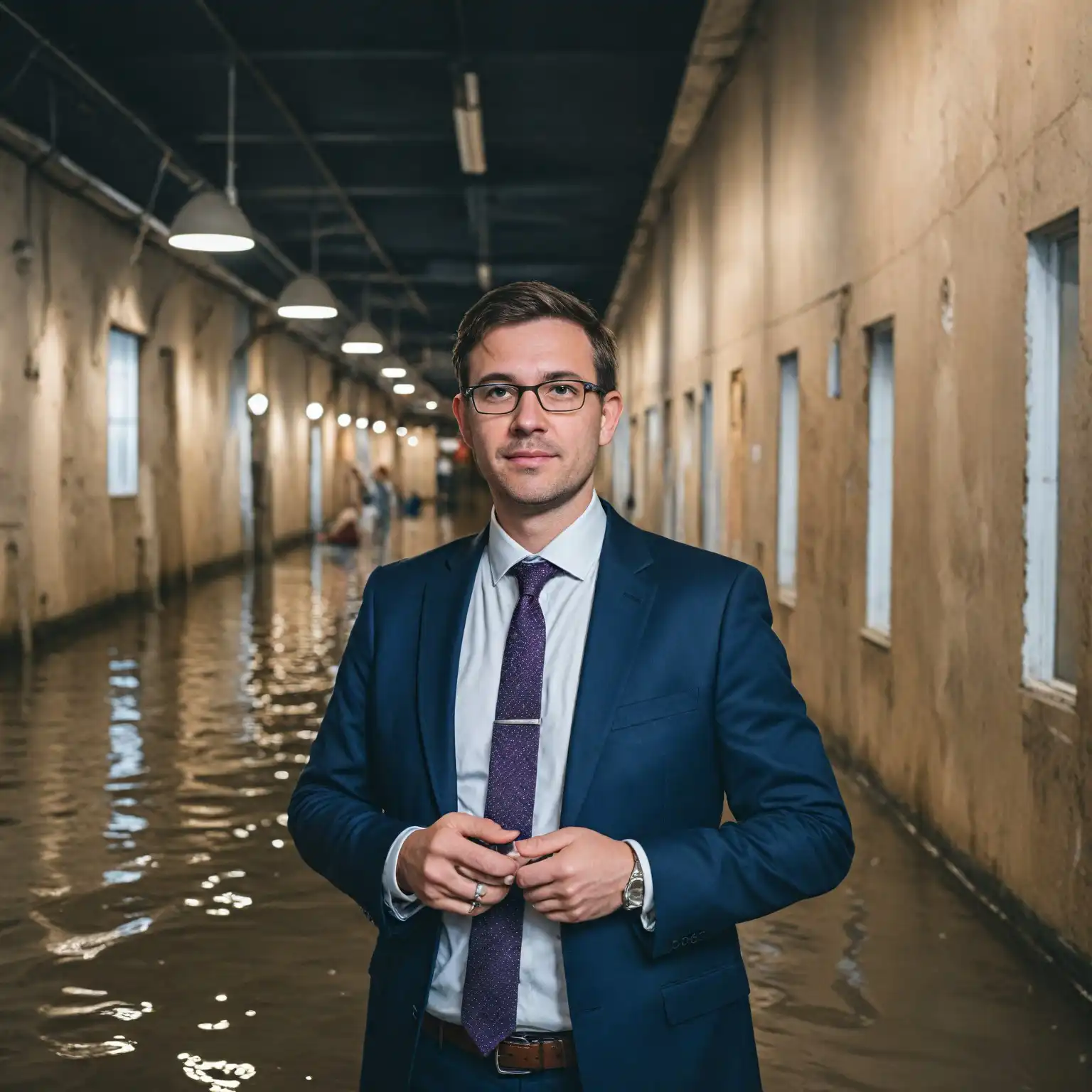
My name is Martin Desmet and I’m passionate about flood studies and hydrological risk management. For more than 20 years, I have devoted my career to understanding flood-related phenomena and helping communities to better prepare for and protect themselves against these devastating events. After completing my doctorate in hydrology at the University of Liège, I had the opportunity to work on various projects in collaboration with government bodies, NGOs and private companies. My career has led me to take a close interest in flood modelling and the impact of climate change on our hydrological regimes. I have also had the opportunity to contribute to the design of early warning systems and emergency plans for vulnerable regions. Even though I have published a few scientific articles and given lectures, I remain first and foremost involved in the field, where I can provide concrete solutions tailored to the needs of communities. Outside work, I enjoy spending time in nature, particularly near rivers and wetlands, which inspire me and help me to better understand the ecosystems I study. My aim is to continue learning and sharing my knowledge to help reduce the impact of flooding on our lives and our environment.
Discover more from Anti-flood.eu
Subscribe to get the latest posts sent to your email.


Leave a Reply