Floods and their Social Impact: Understanding and Taking Action
Floods are among the most destructive natural disasters, affecting millions of people around the world every year. Beyond the material damage, their social impact is profound and multifaceted. This article explores the different dimensions of the social impact of floods, highlighting the challenges faced by the communities affected and proposing solutions to strengthen their resilience.
The Social Consequences of Flooding
Flooding causes a range of social consequences that affect every facet of life in affected communities.
Displacement and Loss of Housing
One of the most immediate consequences of flooding is the displacement of populations. Homes are often destroyed or severely damaged, forcing families to move temporarily or permanently. This displacement disrupts daily life, affects jobs, children’s education and often leads to a loss of social networks.
Impacts on Health
Flooding leads to an increase in health risks. Stagnant water becomes a breeding ground for communicable diseases such as cholera, dengue fever and other infections. In addition, the stress and trauma associated with the loss of property and security can have lasting effects on people’s mental health.
Economic effects
The economic losses caused by flooding are considerable. They affect not only material assets, but also livelihoods. Farmers lose their crops, small businesses close temporarily or permanently, and workers lose their jobs. These economic disruptions exacerbate poverty and food insecurity.
Strengthening Community Resilience
To mitigate the social impact of flooding, it is crucial to strengthen community resilience.
Education and Awareness
Education plays a key role in flood preparedness and resilience. Awareness programmes can help communities understand the risks and adopt prevention measures. Initiatives such as flood risk management workshops and evacuation drills can save lives.
Infrastructure and Planning
Investing in flood-resistant infrastructure is essential. This includes building dykes, efficient drainage systems and raised housing. In addition, careful urban planning that takes flood-prone areas into account can reduce the risk to people.
Psychosocial support
After a flood, psychosocial support is crucial to help individuals overcome the trauma. Counselling services, support groups and community activities can help rebuild the social fabric and promote mental well-being.
The Role of Policies and Organisations
Governments and organisations play a central role in managing the social impact of flooding.
Prevention policies
Public policies must focus on flood prevention and risk reduction. This includes regulating land use, protecting wetlands and promoting sustainable farming practices. Effective policies can reduce the vulnerability of communities and minimise damage.
International cooperation
Floods often cross national borders, requiring international cooperation. Exchanges of knowledge, technology and financial resources can strengthen flood response capabilities. Organisations such as the Red Cross and the UN play a vital role in coordinating humanitarian aid.
Conclusion
Floods have a profound social impact that requires a holistic response. By understanding the multiple facets of these consequences and implementing strategies to build resilience, communities can better prepare for and protect themselves against these disasters. Education, infrastructure, psychosocial support and effective policies are key to mitigating the effects of floods and promoting a more resilient and equitable society.
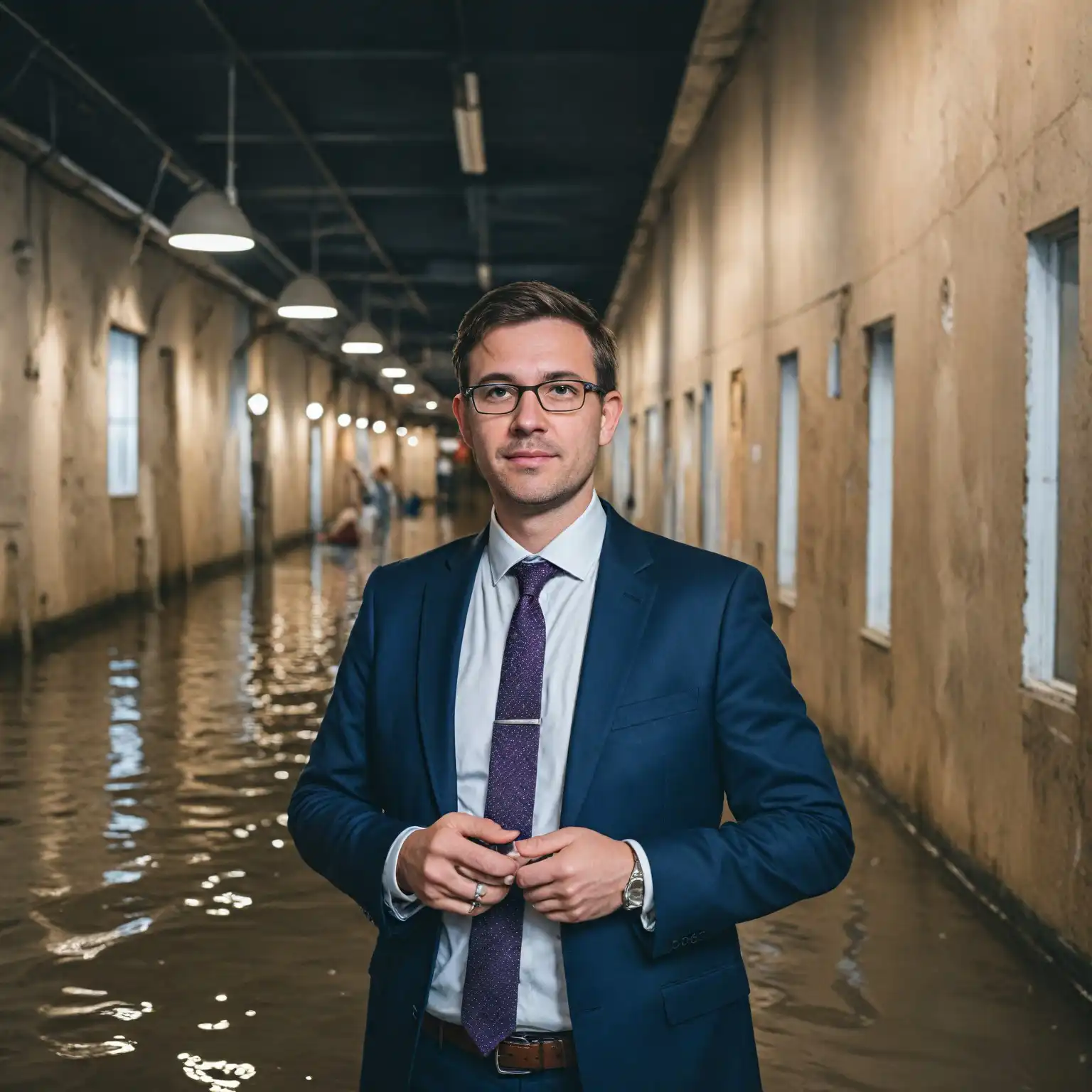
My name is Martin Desmet and I’m passionate about flood studies and hydrological risk management. For more than 20 years, I have devoted my career to understanding flood-related phenomena and helping communities to better prepare for and protect themselves against these devastating events. After completing my doctorate in hydrology at the University of Liège, I had the opportunity to work on various projects in collaboration with government bodies, NGOs and private companies. My career has led me to take a close interest in flood modelling and the impact of climate change on our hydrological regimes. I have also had the opportunity to contribute to the design of early warning systems and emergency plans for vulnerable regions. Even though I have published a few scientific articles and given lectures, I remain first and foremost involved in the field, where I can provide concrete solutions tailored to the needs of communities. Outside work, I enjoy spending time in nature, particularly near rivers and wetlands, which inspire me and help me to better understand the ecosystems I study. My aim is to continue learning and sharing my knowledge to help reduce the impact of flooding on our lives and our environment.
Discover more from Anti-flood.eu
Subscribe to get the latest posts sent to your email.



Leave a Reply