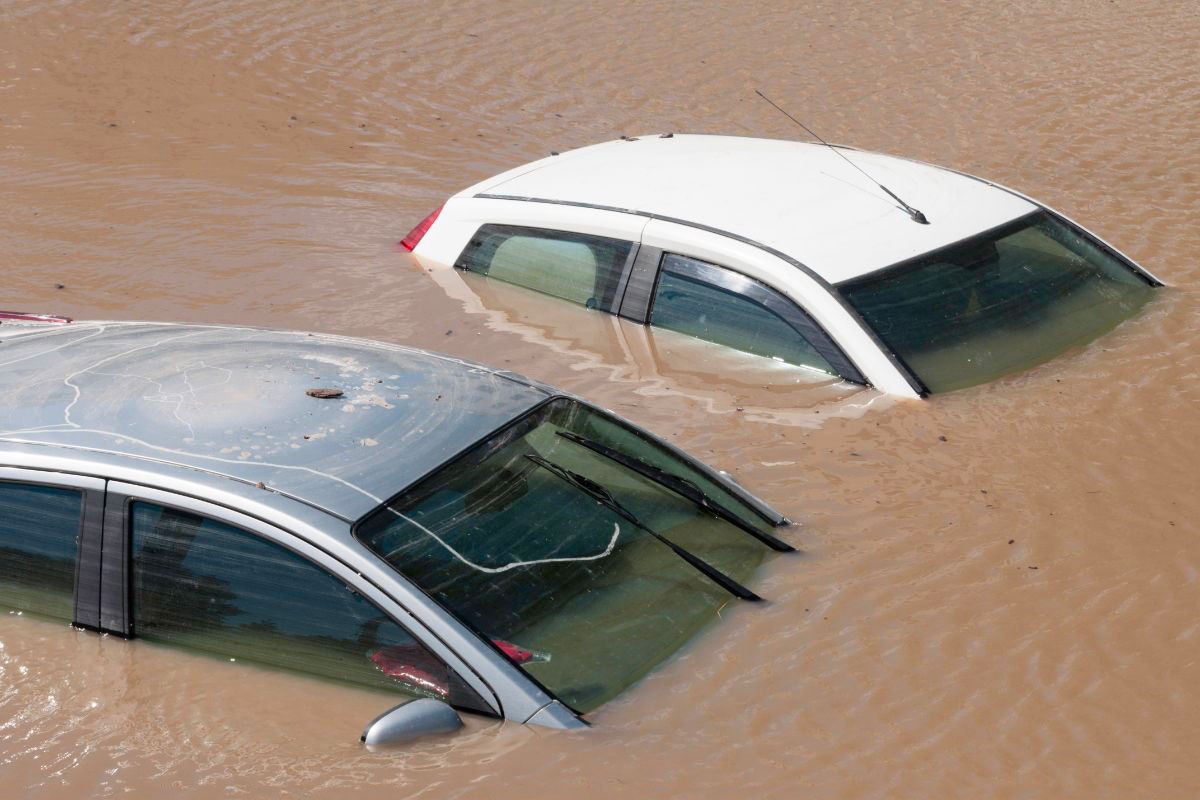
Lessons Learned and the Social Impact of Floods: Towards Sustainable Resilience
Floods are devastating events that affect not only physical infrastructure, but also the social fabric of the communities affected. By analysing past crises, we can extract crucial lessons and understand their social impact in order to build resilience and prepare effectively for the future.
Lessons Learned from Flood Crises
Flood crises offer a valuable opportunity to learn and improve our future responses. The mistakes and successes observed over the years have led to significant improvements in disaster management.
Strengthening Infrastructure
Past disasters have revealed weaknesses in infrastructure, particularly drainage systems and dykes. The need to build more resilient infrastructure is now a priority. New constructions incorporate more sophisticated drainage systems and materials capable of withstanding extreme conditions.
Importance of Urban Planning
Urban planning must incorporate flood risk management strategies. Cities have learned to avoid building in high-risk areas and to use techniques such as green roofs and rain gardens to manage rainwater.
Rescue response and coordination
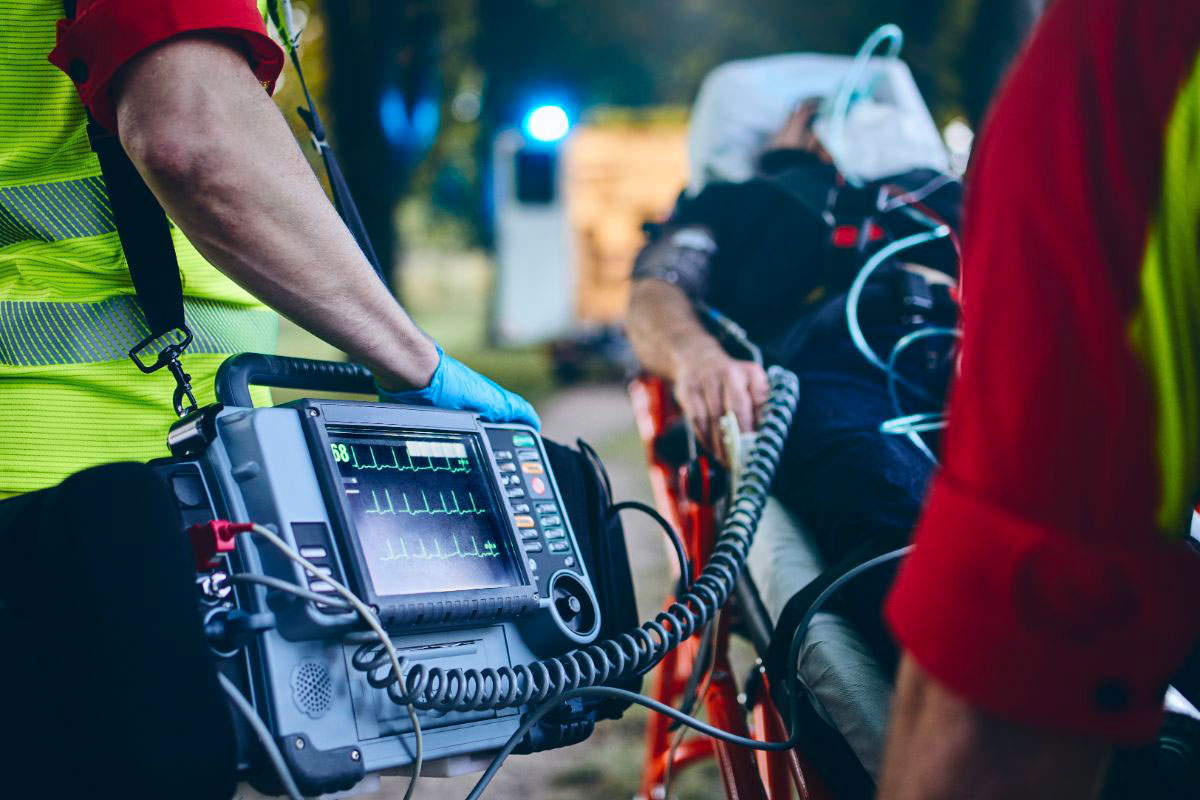
Coordination between relief agencies and local authorities has been a crucial issue in past crises. Lessons learned include the need for clear communication and well-established emergency protocols for a rapid and effective response.
Social Impact of Flooding
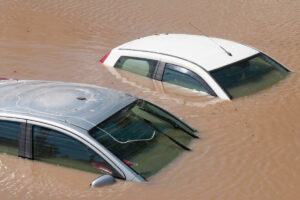
Floods not only affect material assets but also have a profound impact on society. The social impact of flooding manifests itself in community disruption, population displacement, and lasting effects on individuals’ mental health.
Community displacement
Flooding can lead to mass population displacement, disrupting communities and social networks. This displacement can affect access to essential services and create tensions in host areas.
Impact on Mental Health
People affected by the floods may suffer from post-traumatic stress and other mental health problems. Psychological support services should be incorporated into disaster response plans to help individuals cope with emotional challenges.
Local Economy
Flooding can destroy local businesses and livelihoods, leading to significant economic losses. Recovery efforts must include measures to revitalise the local economy and support affected businesses.
Towards Sustainable Resilience
Integrating lessons learnt and taking into account the social impact of floods enables more effective resilience strategies to be developed. Sustainable resilience involves not only physical reconstruction, but also supporting affected communities to get back on their feet in a stronger, more united way.
By implementing improved risk management practices and supporting communities in their recovery process, we can minimise the future impacts of flooding and build a more resilient future for all.
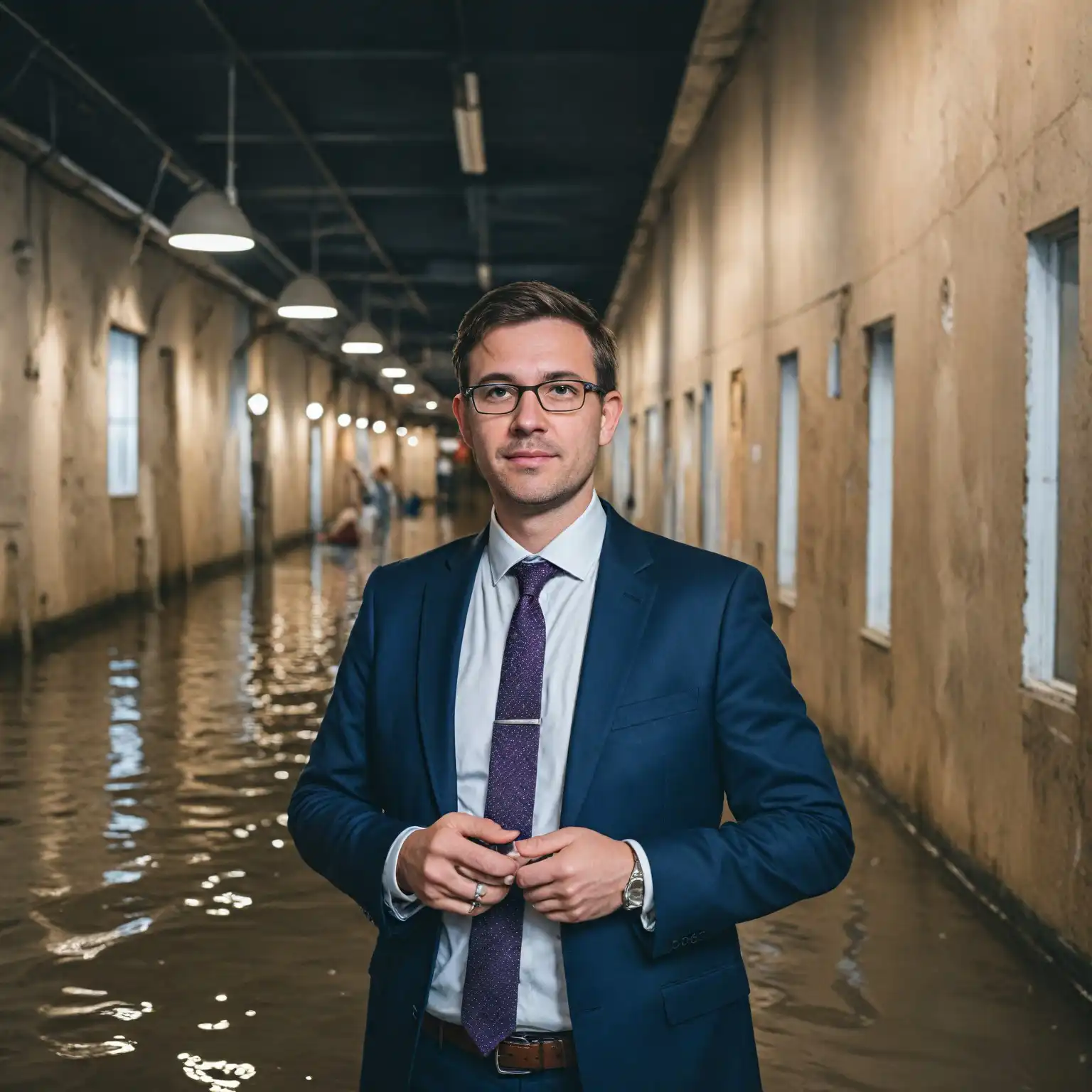
My name is Martin Desmet and I’m passionate about flood studies and hydrological risk management. For more than 20 years, I have devoted my career to understanding flood-related phenomena and helping communities to better prepare for and protect themselves against these devastating events. After completing my doctorate in hydrology at the University of Liège, I had the opportunity to work on various projects in collaboration with government bodies, NGOs and private companies. My career has led me to take a close interest in flood modelling and the impact of climate change on our hydrological regimes. I have also had the opportunity to contribute to the design of early warning systems and emergency plans for vulnerable regions. Even though I have published a few scientific articles and given lectures, I remain first and foremost involved in the field, where I can provide concrete solutions tailored to the needs of communities. Outside work, I enjoy spending time in nature, particularly near rivers and wetlands, which inspire me and help me to better understand the ecosystems I study. My aim is to continue learning and sharing my knowledge to help reduce the impact of flooding on our lives and our environment.
Discover more from Anti-flood.eu
Subscribe to get the latest posts sent to your email.

Leave a Reply