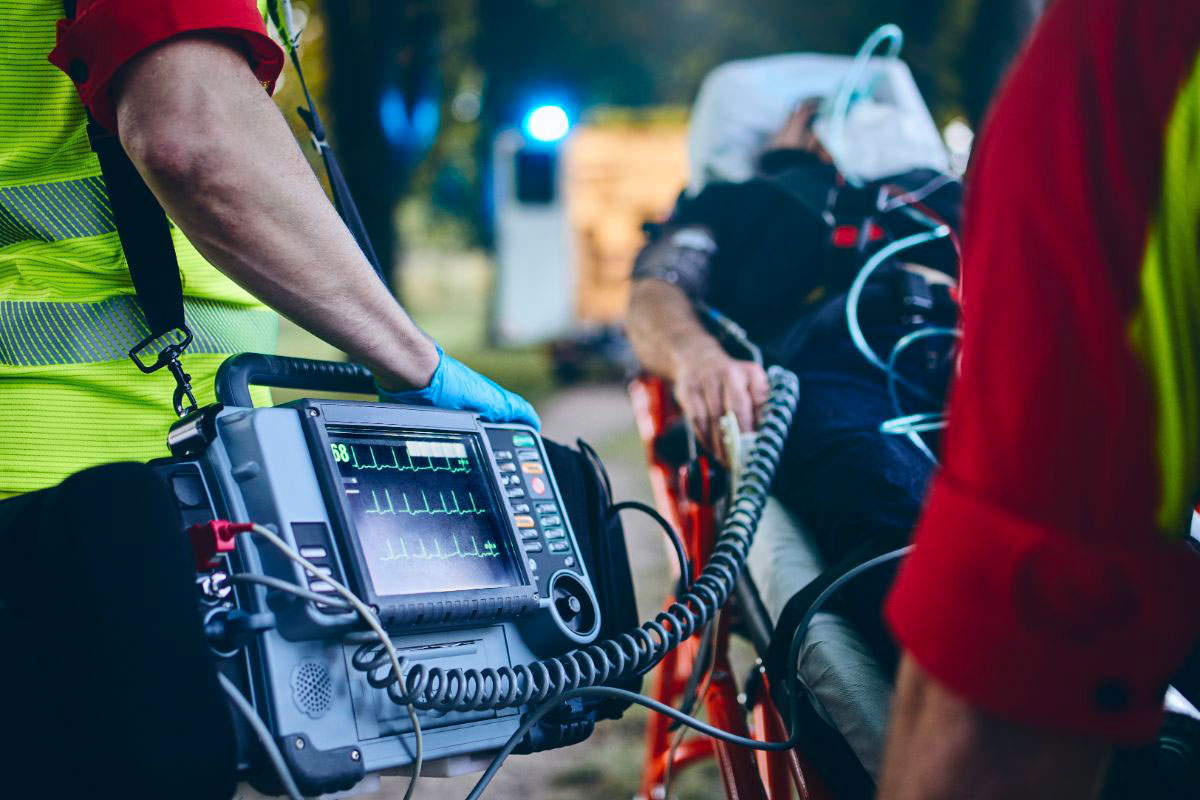
Emergency Response in Flood Situations: Effective Strategies for Rapid Action
What is Emergency Response?
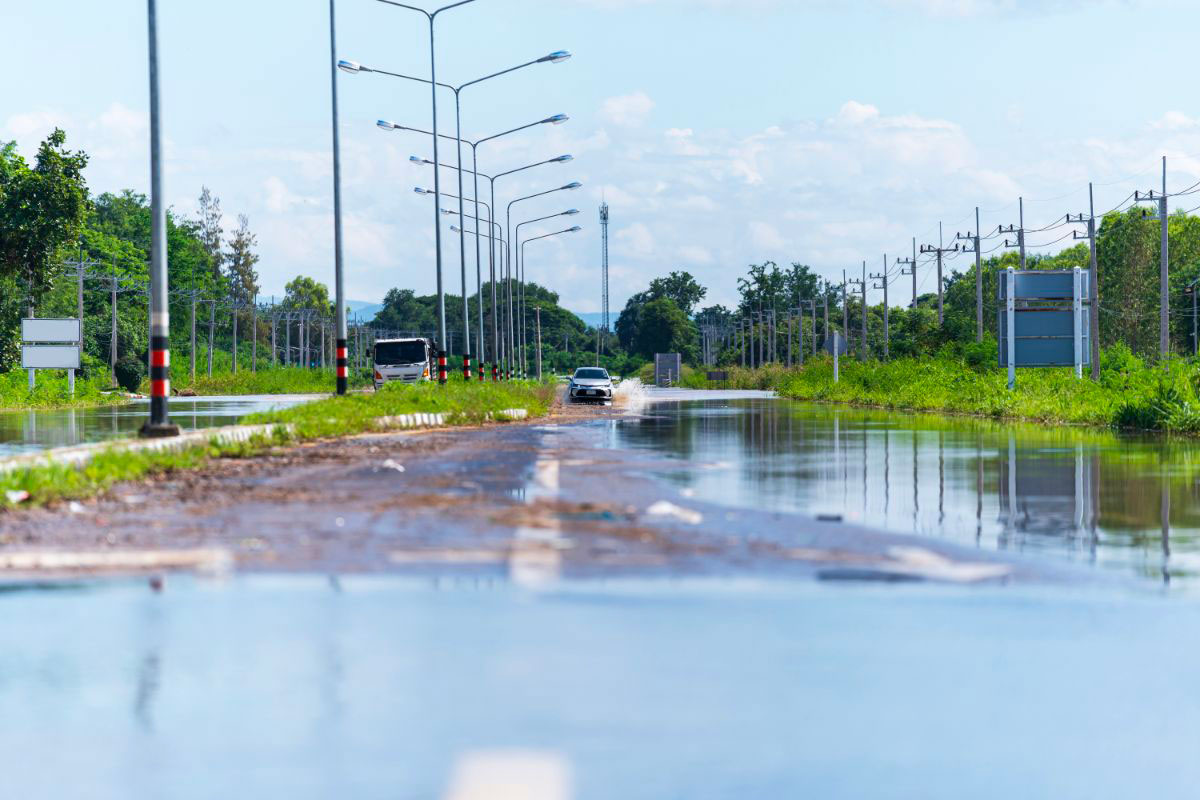
Emergency response refers to the immediate and coordinated efforts taken by government agencies, emergency services, and communities to address the dangers and impacts of a disaster. In the context of floods, this involves everything from monitoring and warning systems to rescue operations, evacuation, and the provision of essential services like water, food, and shelter to affected populations. The primary goal of emergency response is to mitigate the impact of the disaster while ensuring the safety and well-being of people.
Key Components of a Flood Emergency Response
1. Early Warning Systems
One of the most effective ways to reduce the impact of floods is through early warning systems. These systems provide critical information about rising water levels, weather patterns, and potential flood risks. Authorities can then issue alerts and advisories to help individuals and communities prepare in advance.
Monitoring Technology
With modern technology, early warning systems have become more accurate and efficient. Satellite imaging, weather forecasting models, and river monitoring sensors allow emergency services to predict flood risks with greater accuracy. Communities near rivers, lakes, or coastal areas prone to flooding should always be aware of how these systems work and follow their guidelines closely.
2. Evacuation Procedures
In flood-prone areas, evacuation is a vital component of emergency response. The decision to evacuate is often made based on the severity of the flood risk and its potential to cause harm. Local authorities typically manage these evacuations and use early warnings to trigger these responses.
Safe Routes and Shelters
An effective evacuation strategy relies on pre-planned routes that are safe from flooding. Communities should have designated shelters that are far from flood zones and equipped with essentials such as food, water, and medical supplies. Public education campaigns can help familiarize people with evacuation routes and procedures so that in a crisis, they are prepared to act quickly.
3. Search and Rescue Operations
Search and rescue teams are the front-line responders when floods strike. These highly trained professionals work tirelessly to save people stranded by rising waters, collapsed infrastructure, and other hazards caused by the flood. They use boats, helicopters, and specialized equipment to navigate through flooded areas, often risking their lives in the process.
Coordination Between Agencies
Effective search and rescue efforts require seamless coordination between various emergency services, including the police, fire departments, and the military. Proper training and drills ensure that these teams can operate efficiently during floods, minimizing the risk to both rescuers and those being rescued.
4. Medical and Humanitarian Assistance
Floods often lead to widespread injuries, loss of property, and disrupted access to essential services like clean water, food, and electricity. In the aftermath of a flood, emergency responders provide immediate medical care, administer vaccinations to prevent the spread of waterborne diseases, and distribute food and water to affected populations.
Psychological Support and Recovery
The emotional and psychological toll of floods can be significant. People who lose their homes or witness traumatic events often require mental health support. Emergency response plans should include provisions for providing psychological assistance to flood victims to help them recover emotionally and mentally.
Community Involvement in Emergency Response
While governments and professional emergency services play a critical role in flood response, community involvement is equally important. Local residents are often the first to respond when disaster strikes, and their knowledge of the area can be crucial in guiding emergency services. Encouraging local volunteer programs, disaster preparedness education, and neighborhood emergency teams can strengthen community resilience in the face of floods.
1. Training and Drills
Communities can organize regular emergency drills to simulate flood scenarios. These drills help identify weaknesses in the current response plan and ensure that residents know what to do during an actual flood event. It also builds a sense of unity and shared responsibility, helping people stay calm and collected in the face of a crisis.
2. First Responders
In many cases, residents with basic first aid and rescue training act as first responders before professional help arrives. Communities should empower individuals with basic life-saving skills, such as CPR, wound care, and how to assist with rescue operations.
Conclusion
A well-coordinated emergency response can be the difference between life and death during a flood. By integrating early warning systems, effective evacuation plans, coordinated search and rescue operations, and medical assistance, communities can better handle the challenges posed by flooding. Moreover, community involvement is key to ensuring that emergency responses are swift and efficient.
While we cannot prevent all floods, a strong and proactive emergency response strategy can significantly reduce the damage they cause. With the right tools, knowledge, and planning, we can protect lives and help communities recover more quickly.
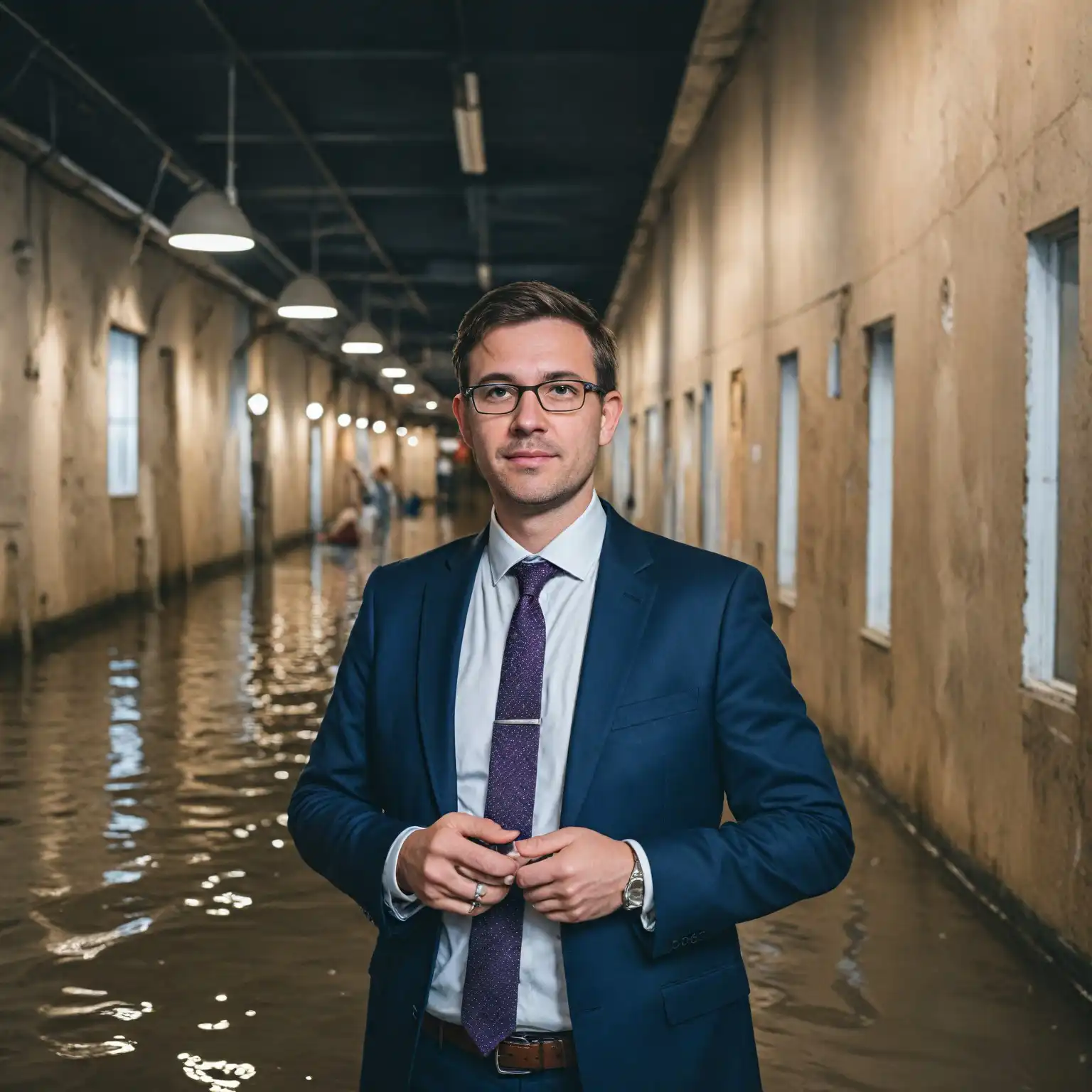
My name is Martin Desmet and I’m passionate about flood studies and hydrological risk management. For more than 20 years, I have devoted my career to understanding flood-related phenomena and helping communities to better prepare for and protect themselves against these devastating events. After completing my doctorate in hydrology at the University of Liège, I had the opportunity to work on various projects in collaboration with government bodies, NGOs and private companies. My career has led me to take a close interest in flood modelling and the impact of climate change on our hydrological regimes. I have also had the opportunity to contribute to the design of early warning systems and emergency plans for vulnerable regions. Even though I have published a few scientific articles and given lectures, I remain first and foremost involved in the field, where I can provide concrete solutions tailored to the needs of communities. Outside work, I enjoy spending time in nature, particularly near rivers and wetlands, which inspire me and help me to better understand the ecosystems I study. My aim is to continue learning and sharing my knowledge to help reduce the impact of flooding on our lives and our environment.
Discover more from Anti-flood.eu
Subscribe to get the latest posts sent to your email.

Leave a Reply